In the second week of May we made a field expedition for exploring the vegetation of ancient Thracian mounds of the Maritsa-valley in south Bulgaria. We will write about the kurgan project and Thracian mounds in more
details soon. Until that, we give a selection about our favourite
Bulgarian memories, the most interesting plant and animal species, most
beautiful kurgans and of course the cultural beauties that we could
visit during our stay. With these photos we would like to illustrate how wonderful is Bulgaria, and how great was our field expedition We are very happy that we could work in this wonderful landscape and thankful for the hospitality of our Bulgarian hosts, Iva Apostolova, Desi Sopotlieva and Salza Palpurina.

Our first meeting with the giant dogs in Saedinenie. (photo by András Kelemen)

In the Maritsa-valley nearly all grasslans have been ploughed, and the remaining few stands are threatened by overgrazing. In this landscape kurgans are the only refugia for grassland species. (photo by Balázs Deák)

Kurgans are sometimes threatened by overgrazing by livestock. However this is rather a rare case, as most of the kurgans are surrounded by arable lands, not grasslands. (photo by Balázs Deák)

Inula germanica was typical on the northern slopes of the mounds. (photo by Balázs Deák)

As in many other parts of Eurasia, many Bulgarian mounds are threatened by shrub encroachment. Shrubs, such as Prunus spinosa, Paliurus spina-christi and Lycium barbarum are the most typical at the bottom of the mounds or on the northern slopes. (photo by Balázs Deák)

Bladder-senna (Colutea arborescens) is a typical species on the foothill kurgans near Brestovica. (photo by Balázs Deák)

The Christ's thorn (Paliurus spina-cristi) is a problematic shrub species on many kurgans. (photo by Balázs Deák)

The Arabian pea (Bituminaria bituminosa) has a very adequate Latin name. Its leaves smell like tar. (photo by Balázs Deák)

András as Thor - soil sampling with a 6kg hammer. (photo by Katalin Lukács)

This 'tell' (mound 'built by' the remnants of ancient settlements) is a characteristic landscape element near Zlatitrap. This is a really huge mound with a diameter of 120 metres. (photo by Balázs Deák)

This tiny little Papaeraceae species, Hypecoum pendulum occurred on the most open microhabitats of the kurgans, such as the top and the south slopes. (photo by Balázs Deák)

A spectacular Santalaceae species, Comandra elegans. (photo by András Kelemen)

Ranunculus illyricus preferred the northern slopes of the kurgans. (photo by Orsolya Valkó)
 Well-preserved steppe vegetation on the northern slope of a kurgan, with Agropyron elongatum and Ranunculus illyricus. (photo by Balázs Deák)
 Goniolimon spp. generally occurred on the open surfaces of the southern slopes. (photo by András Kelemen)
 Our favourite landscape was the foothill landscape in the famous vine-growing region of Brestovica. It was very surprising for us to see such huge kurgans in such a hilly landscape. (photo by Balázs Deák)

Great timing - this was the best season for collecting cherries and almonds near Brestovica. (photo by Orsolya Valkó)

Another spectacular kurgan, near Zlatitrap. The very steep slopes harbour a well preserved feathergrass steppe with Stipa capillata. At the background there are the peaks of the Rodope mountains. (photo by Balázs Deák)

This picture illustrates well the monumental dimensions of Thracian mounds. (photo by Katalin Lukács)

We designed a very good mimicri and shading device for our microclimate sensors. They worked very well, but the shading cover was the favourite resting place for these animals. (photo by Orsolya Valkó)

Downloading and processing the microclimate data. (photo by Balázs Deák)

When we were in hurry (as usual), Réka coped with this task during travel. (photo by Katalin Lukács)

Animal species of kurgans: bats living inside the Chetinyova-mound. (photo by Katalin Lukács)

Bee-eaters (Merops apiaster) were everywhere. They liked very much the open surfaces of the archaeological excavations on the kurgans. (photo by Balázs Deák)

Drama on the thistle: a crab spider has just caught the scare swallowtail. The other butterfly, the painted lady came after and has no idea about the drama going on... (photo by Balázs Deák)

We met very interesting Mantis species. (photo by Balázs Deák)
 Lethrus apterus occurred on many of the kurgans. (photo by András Kelemen)

Mounds at the foot of the Rodope mountains. (photo by Orsolya Valkó)

In Bulgaria, there are kurgans everywhere. Here for example in the middle of a rice field. (photo by Katalin Lukács)

We had very long field days... (photo by Réka Kiss)

Desi Sopotlieva showed us one of the last remnants of the continental salt grasslands in the region. On the upper left corner, you can see a tussock of Agropyron elongatum. (photo by Balázs Deák)

Typical species of the open salt grasslands are Camphorosma monspeliaca, Plantago coronopus and Matricaria chamomilla. (photo by Orsolya Valkó)

Camphorosma monspeliaca. (photo by Balázs Deák)

Young herders. (photo by Balázs Deák)

This is the real life :) (photo by Orsolya Valkó)

Still life in a village. (photo by Balázs Deák)

Staro Zhelezare seems an average Bulgarian village, but it is much more interesting: many of the houses are decorated with wonderful wall paintings. You can read about this interesting place here. Unfortunately we just passed by the village - even though one can spend here hours for exploring the wall paintings. (photo by Orsolya Valkó)

Wall painting in Staro Zhelezare. (photo by Orsolya Valkó)

Plovdiv is the European Capital of Culture in 2019. We think that it absolutely deserves this recognition, as it is a wonderful, lively and interesting city. (photo by Orsolya Valkó)

The Roman theatre of Plovdiv was built by Domitian in the 1st century AD. (photo by Balázs Deák)

The ancient theater of Philippopolis could host more than 5000 spectators. (photo by Réka Kiss)

This Plovidiv villa, the house of Stepan Hindliyan is one of our favourite. (photo by Balázs Deák)

The saloon of the Balabanov villa, decorated in the style typical to the wealthy houses in Istanbul. (photo by Balázs Deák)

Plovidiv is full of wonderful palaces. (photo by Balázs Deák)

Peacock motives are typical on the Plovdiv houses. (photo by Balázs Deák)

The Djumaya mosque. (photo by Balázs Deák)

Kapana - The creative district of Plovdiv. (photo by Balázs Deák)

There are many cool wall paintings in the Kapana district. (photo by Balázs Deák)

A pub in Kapana. There are tetrises on the tables. It seems to be a cool place. (photo by Balázs Deák)

In the 'Park of the Singing Fountains' there were wonderful fountains, but they were not singing. But there were many scops owls singing :) (photo by Balázs Deák)

The Christ's thorn (Paliurus spina-cristi) is a problematic shrub species on many kurgans. (photo by Balázs Deák)

The Arabian pea (Bituminaria bituminosa) has a very adequate Latin name. Its leaves smell like tar. (photo by Balázs Deák)

András as Thor - soil sampling with a 6kg hammer. (photo by Katalin Lukács)

This 'tell' (mound 'built by' the remnants of ancient settlements) is a characteristic landscape element near Zlatitrap. This is a really huge mound with a diameter of 120 metres. (photo by Balázs Deák)

This tiny little Papaeraceae species, Hypecoum pendulum occurred on the most open microhabitats of the kurgans, such as the top and the south slopes. (photo by Balázs Deák)
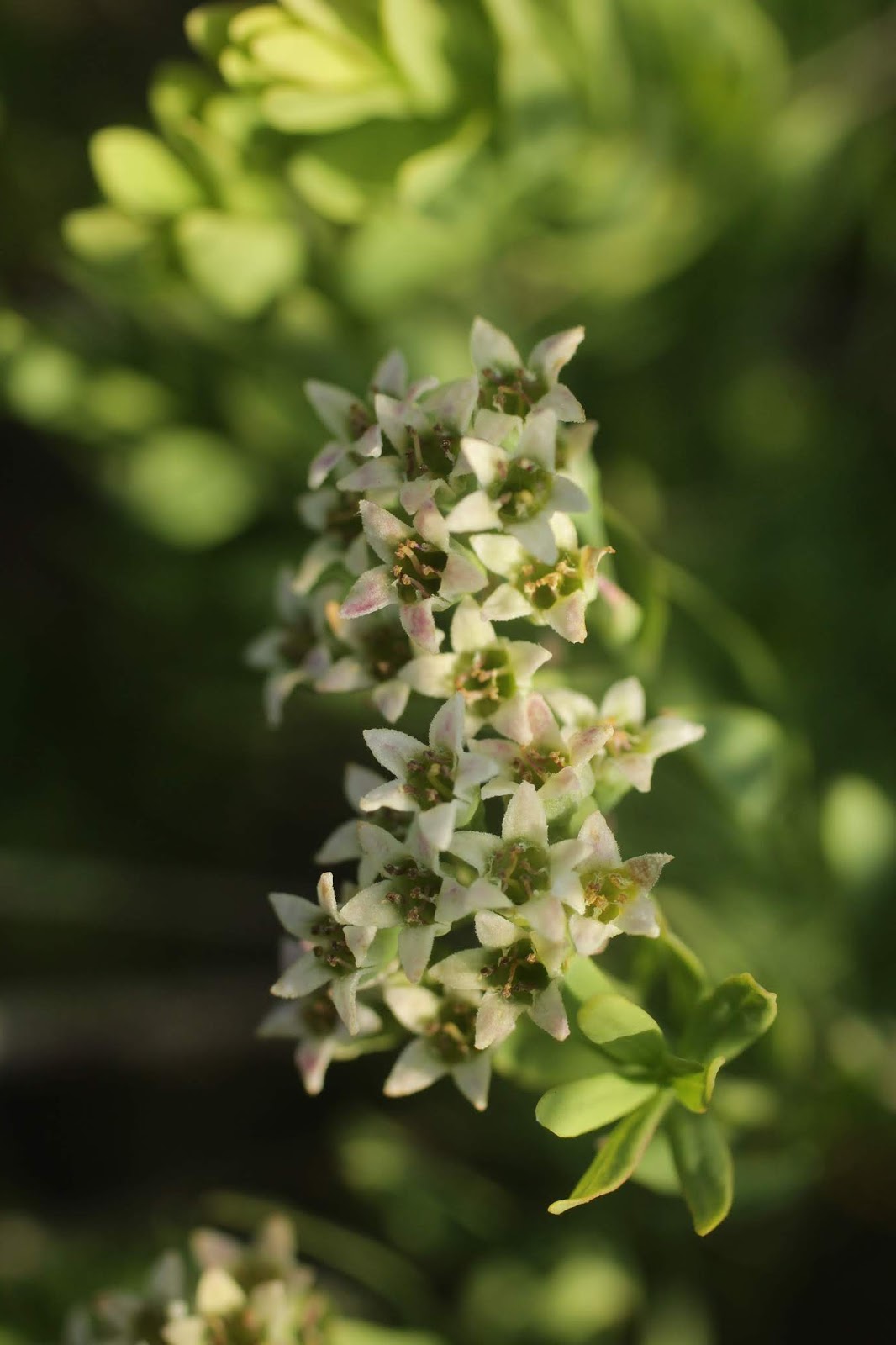
A spectacular Santalaceae species, Comandra elegans. (photo by András Kelemen)

Ranunculus illyricus preferred the northern slopes of the kurgans. (photo by Orsolya Valkó)


Great timing - this was the best season for collecting cherries and almonds near Brestovica. (photo by Orsolya Valkó)

Another spectacular kurgan, near Zlatitrap. The very steep slopes harbour a well preserved feathergrass steppe with Stipa capillata. At the background there are the peaks of the Rodope mountains. (photo by Balázs Deák)

This picture illustrates well the monumental dimensions of Thracian mounds. (photo by Katalin Lukács)

We designed a very good mimicri and shading device for our microclimate sensors. They worked very well, but the shading cover was the favourite resting place for these animals. (photo by Orsolya Valkó)

Downloading and processing the microclimate data. (photo by Balázs Deák)

When we were in hurry (as usual), Réka coped with this task during travel. (photo by Katalin Lukács)

Animal species of kurgans: bats living inside the Chetinyova-mound. (photo by Katalin Lukács)
Bee-eaters (Merops apiaster) were everywhere. They liked very much the open surfaces of the archaeological excavations on the kurgans. (photo by Balázs Deák)

Drama on the thistle: a crab spider has just caught the scare swallowtail. The other butterfly, the painted lady came after and has no idea about the drama going on... (photo by Balázs Deák)

We met very interesting Mantis species. (photo by Balázs Deák)


Mounds at the foot of the Rodope mountains. (photo by Orsolya Valkó)

In Bulgaria, there are kurgans everywhere. Here for example in the middle of a rice field. (photo by Katalin Lukács)

We had very long field days... (photo by Réka Kiss)

Desi Sopotlieva showed us one of the last remnants of the continental salt grasslands in the region. On the upper left corner, you can see a tussock of Agropyron elongatum. (photo by Balázs Deák)

Typical species of the open salt grasslands are Camphorosma monspeliaca, Plantago coronopus and Matricaria chamomilla. (photo by Orsolya Valkó)

Camphorosma monspeliaca. (photo by Balázs Deák)

Young herders. (photo by Balázs Deák)

This is the real life :) (photo by Orsolya Valkó)
Still life in a village. (photo by Balázs Deák)
Staro Zhelezare seems an average Bulgarian village, but it is much more interesting: many of the houses are decorated with wonderful wall paintings. You can read about this interesting place here. Unfortunately we just passed by the village - even though one can spend here hours for exploring the wall paintings. (photo by Orsolya Valkó)

Wall painting in Staro Zhelezare. (photo by Orsolya Valkó)

Plovdiv is the European Capital of Culture in 2019. We think that it absolutely deserves this recognition, as it is a wonderful, lively and interesting city. (photo by Orsolya Valkó)

The Roman theatre of Plovdiv was built by Domitian in the 1st century AD. (photo by Balázs Deák)

The ancient theater of Philippopolis could host more than 5000 spectators. (photo by Réka Kiss)

This Plovidiv villa, the house of Stepan Hindliyan is one of our favourite. (photo by Balázs Deák)

The saloon of the Balabanov villa, decorated in the style typical to the wealthy houses in Istanbul. (photo by Balázs Deák)

Plovidiv is full of wonderful palaces. (photo by Balázs Deák)

Peacock motives are typical on the Plovdiv houses. (photo by Balázs Deák)

The Djumaya mosque. (photo by Balázs Deák)

Kapana - The creative district of Plovdiv. (photo by Balázs Deák)

There are many cool wall paintings in the Kapana district. (photo by Balázs Deák)

A pub in Kapana. There are tetrises on the tables. It seems to be a cool place. (photo by Balázs Deák)

In the 'Park of the Singing Fountains' there were wonderful fountains, but they were not singing. But there were many scops owls singing :) (photo by Balázs Deák)


